Why Your Houston Roof Has Black Streaks (And What to Do About It)
If you’ve lived in the Bayou City for any length of time, you’ve seen them: dark, unsightly black streaks staining the rooftops of homes across our neighborhoods. Many homeowners assume it’s just dirt, mildew, or a sign that the roof is getting old. The truth is a bit more specific, and it’s directly tied to one of Houston’s most defining characteristics: our famous humidity. Those streaks are actually a hardy type of blue-green algae called Gloeocapsa magma, and it loves the warm, moist environment our climate provides. While it might seem like a simple cosmetic problem, this algae can have a real impact on your roof's health and longevity. At Vanguard Roofing Solutions, we believe an informed homeowner is a protected homeowner, so let's dive into what causes these stains and how you can protect your investment.
Understanding Gloeocapsa Magma: The Rooftop Intruder
So, why is this algae choosing your roof as its new home? It’s all about the ingredients. Modern asphalt shingles often contain limestone as a filler, which, unfortunately, is a food source for Gloeocapsa magma. When you combine this food source with the moisture from our frequent rain and persistent humidity, you create the perfect breeding ground. The algae spores are carried by the wind from roof to roof, which is why you often see entire blocks of homes with the same staining pattern.
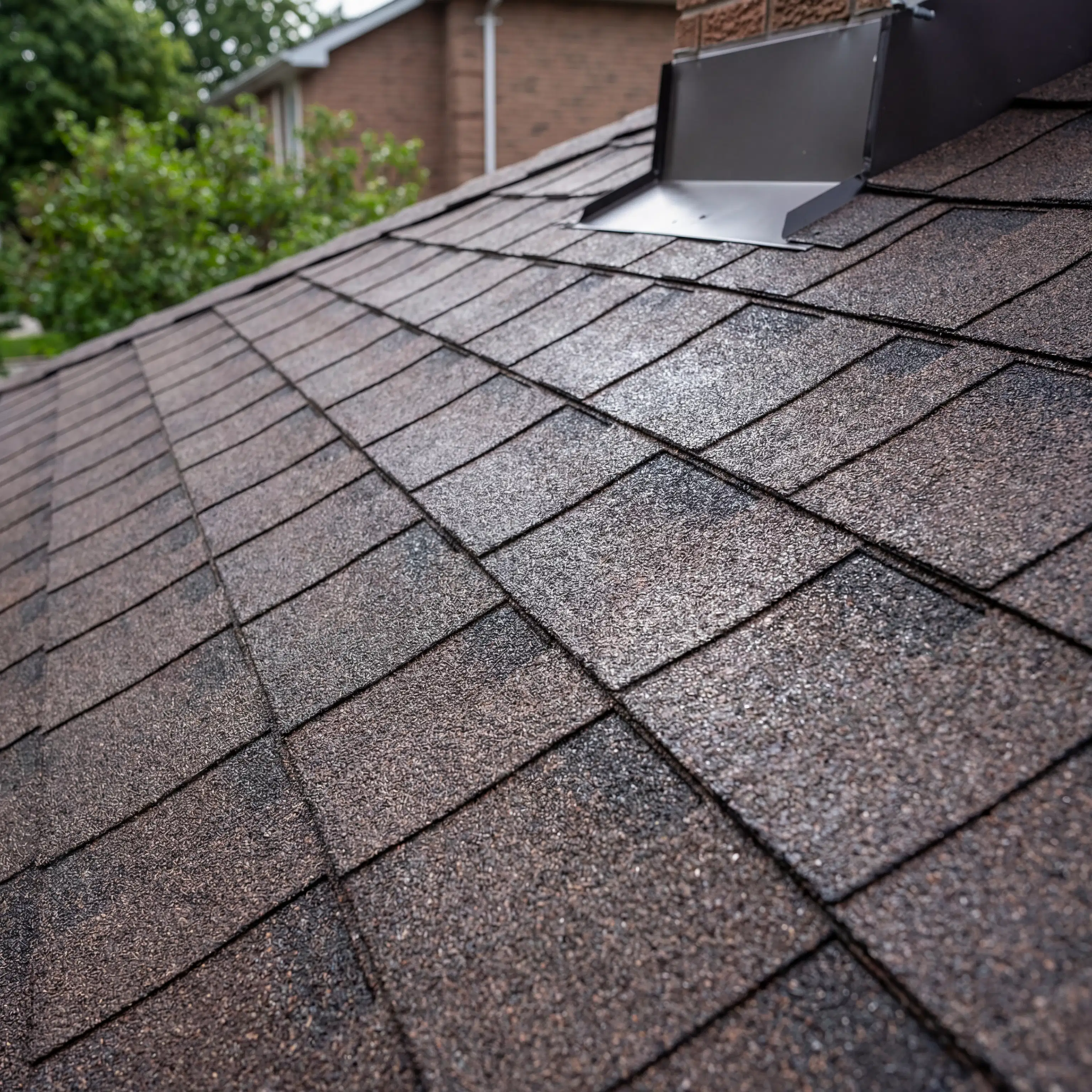
The black streaks you see are actually the algae's protective, pigmented sheath, which shields it from the sun's UV rays. This is why the stains are often more prominent on the north-facing side of a roof, which receives less direct sunlight and stays damp longer. While it starts as small spots, it can grow into extensive streaks over a few months or years, diminishing your home's curb appeal and potentially signaling underlying issues.
More Than Just a Stain: The Real Impact of Algae on Your Roof
It’s easy to dismiss roof algae as a cosmetic issue, but ignoring it can be a costly mistake. The problem goes deeper than just aesthetics. Here’s how Gloeocapsa magma can compromise your roof's integrity:
- Moisture Retention: The algae's dark, dense colonies trap moisture against the shingle surface. Prolonged dampness can accelerate the deterioration of the shingles, causing them to become brittle and weak over time.
- Granule Loss: The algae feeds on the limestone in the shingles and its root-like filaments can dislodge the protective ceramic granules. These granules are essential for reflecting UV rays and protecting the underlying asphalt from breaking down. Once they're gone, your roof's lifespan shortens significantly.
- Heat Absorption: The dark streaks absorb more heat from the sun compared to a clean, reflective roof. This can increase the temperature in your attic, forcing your air conditioning to work harder and potentially raising your energy bills.
Allowing algae to thrive can turn a manageable issue into a reason for a premature roof replacement. Addressing it proactively is key to maximizing the life of your current roof and protecting your home's value.
Your Options: Cleaning vs. Long-Term Prevention
When you're ready to tackle the black streaks, you have two main paths: cleaning the existing roof or investing in a long-term preventative solution.
Professional Roof Cleaning: A professional soft wash is the most effective way to remove algae from a roof that is otherwise in good condition. This method uses a low-pressure system to apply a specialized, eco-friendly cleaning solution that kills the algae at its root without damaging the delicate shingles. It is crucial to avoid high-pressure power washing, as this can strip away shingle granules and cause significant damage, voiding your roof's warranty. A professional cleaning can restore your home's curb appeal and halt the damage the algae is causing. If you notice any loose or damaged shingles during the process, a targeted roof repair can be performed at the same time.
Long-Term Prevention with Algae-Resistant Shingles: For older roofs that are already showing signs of wear or for homeowners who want a permanent solution, upgrading to algae-resistant (AR) shingles is the best investment. Modern architectural shingles are manufactured with copper granules blended in. Copper is a natural algaecide; as rain washes over the roof, it releases copper ions that prevent algae from taking hold. This technology is a game-changer for homes in humid climates and ensures your new roof stays beautiful and stain-free for years to come. This is often the most cost-effective choice when considering a full roof replacement, as it solves the problem for good.
Protect Your Home with Vanguard Roofing Solutions
Those black streaks on your roof are more than just an eyesore; they're a warning sign. In a climate like ours, proactive roof maintenance is essential for protecting the structural integrity and value of your home. Whether your roof needs a professional cleaning to restore its appearance or it's time to consider a long-term solution with modern, algae-resistant materials, taking action is the first step.
Don't let algae shorten the life of your roof. If you're concerned about stains or the overall health of your roof, contact the local experts at Vanguard Roofing Solutions. We provide comprehensive, no-obligation roof inspections to homeowners throughout the Houston area. We’ll assess the condition of your shingles, identify any potential issues, and provide you with a clear, honest recommendation for a roof repair or replacement. Contact us today to schedule your free inspection and keep your roof strong and beautiful for years to come.