
A Houston Homeowner’s Guide to Maximizing Your Roof Replacement Insurance Payout
After a severe hail storm or the passing of a tropical storm, the last thing any Houston homeowner wants to deal with is a complicated insurance claim. The process can feel overwhelming, filled with confusing paperwork and uncertainty about whether you'll get the full amount needed to properly restore your home. Many homeowners worry they might miss a crucial step, leaving them to pay out-of-pocket for damages that should have been covered. At Vanguard Roofing Solutions, we believe you shouldn't have to navigate this alone. This guide will walk you through the essential steps to document damage, understand your claim, and work with your insurer to maximize your payout for a full, quality roof replacement.
Step 1: Immediate Action and Initial Documentation
Before you even call your insurance company, your first priority is safety. Once the storm has passed and it's safe to go outside, your next step is to document everything. This initial evidence is the foundation of a successful insurance claim.
- Photograph and Video Everything: From the ground, take wide shots of each side of your roof. Then, carefully zoom in on any visible signs of damage: dented gutters, cracked or missing shingles, and damaged vents or flashing. If you find shingles or other roofing debris in your yard, photograph them as well. Take more photos than you think you need—it’s impossible to have too much evidence.
- Look for Secondary Damage: Storm damage isn't always confined to the roof. Check for water spots on your ceilings and walls, damaged siding, or broken windows. Document these issues, as they can be part of the same claim.
- Make Temporary Fixes (If Necessary): If you have an active leak, you have a duty to mitigate further damage. This might involve placing a tarp over the affected area. Be sure to take photos of the damage before you cover it up. Keep receipts for any materials you purchase for these temporary repairs, as they are often reimbursable.
This initial documentation creates a clear “before” picture for your insurer, establishing the extent of the damage caused by the specific weather event.
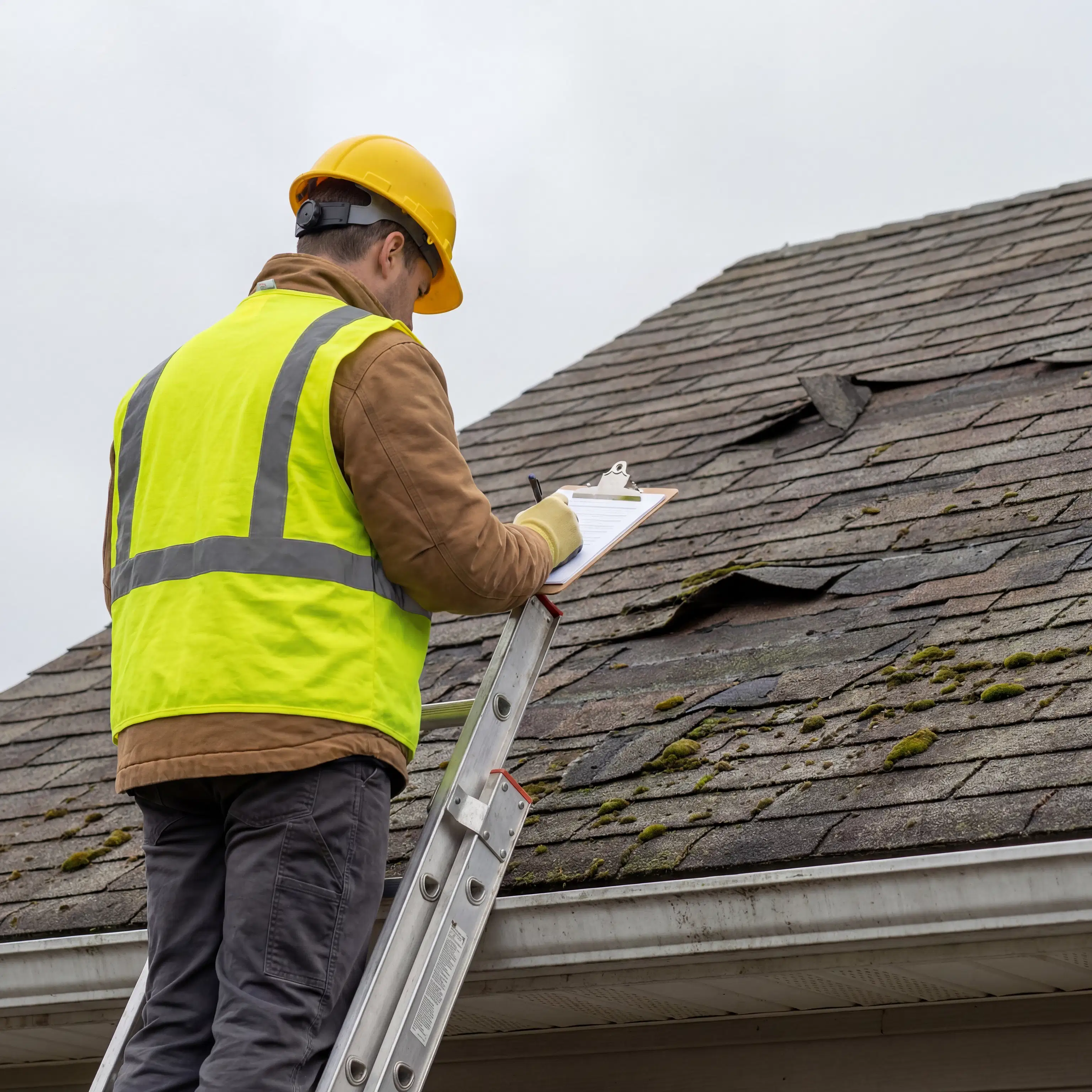
Step 2: Get a Professional Inspection Before You File
While your insurance company will send their own adjuster, it's crucial to have an independent, professional assessment from a trusted local roofer first. An insurance adjuster works for the insurance company; a reputable roofer works for you. Their goals can be different.
An experienced roofing contractor knows exactly what to look for. We can identify subtle hail impacts or wind-lifted shingles that an adjuster might overlook. We use advanced tools, like drones, to get a comprehensive view of your entire roofing system without risking further damage. This detailed inspection report, complete with annotated photos and precise measurements, becomes a powerful tool in your negotiation. It ensures that your claim accounts for everything needed for a proper storm damage restoration, including matching materials and bringing your roof up to current local building codes—items often missed in an initial assessment.
This step helps you avoid one of the most common pitfalls: accepting an initial offer that doesn't cover the full scope of work. It’s much easier to submit a comprehensive claim from the start than to fight for a supplemental payment later.
Step 3: Understanding and Navigating the Claims Process
Once you have your professional inspection report, you're ready to file your claim. Here’s what to expect and how to handle it effectively:
- Filing the Claim: Contact your insurance provider to initiate the claim. Provide them with the date of the storm and a general description of the damage. You will be assigned a claim number—keep this handy for all future correspondence.
- Meeting the Adjuster: When the insurance adjuster schedules their visit, arrange for your roofing contractor to be there. This is a critical step. Your roofer can walk the roof with the adjuster, pointing out the documented damage and ensuring nothing is missed. They speak the same language and can discuss the scope of work, materials, and local labor costs, preventing your claim from being undervalued.
- Reviewing the Adjuster's Report: You will receive a summary of loss from your insurer detailing the approved repairs and the estimated cost. Review this document carefully with your roofer. If there are discrepancies or missing items, your roofer can help you file a “supplemental claim” to cover the difference. This is common and necessary to ensure you have the funds for a complete and correct roof replacement.
Be wary of out-of-state “storm chasers” who appear after a major weather event. They often lack knowledge of local codes and may not be around to honor their warranty. Partnering with an established local company ensures accountability and quality workmanship.
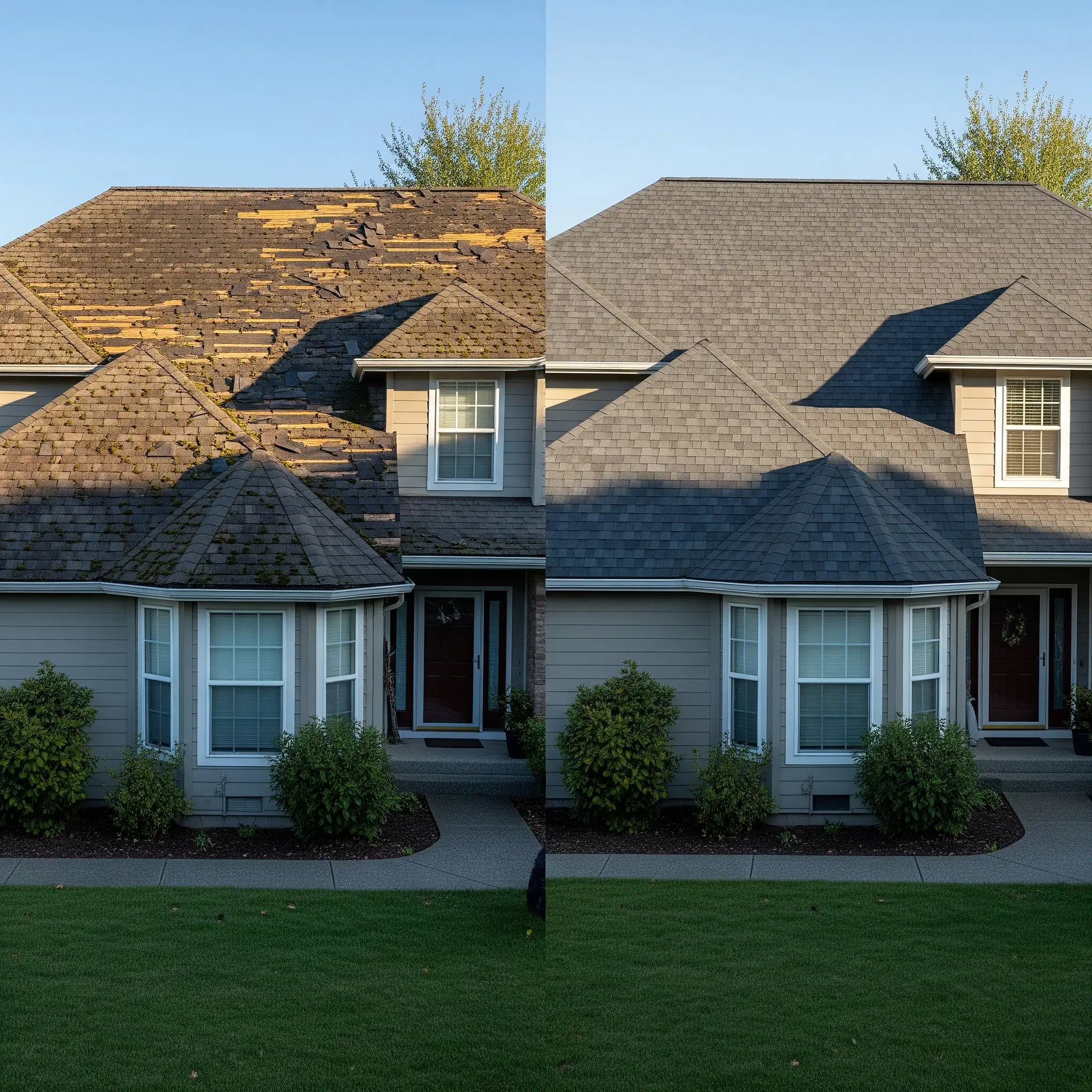
Step 4: Turning Your Claim into a Home Improvement Opportunity
Receiving an insurance payout for a full roof replacement can also be an opportunity to upgrade. The funds approved by your insurer are based on restoring your roof to its previous condition (“like-kind and quality”). However, you can choose to invest in better materials that offer superior protection against future storms, especially during hurricane season.
Discuss options with your contractor, such as upgrading from standard shingles to impact-resistant ones or choosing materials with better energy efficiency to combat the Texas heat. The insurance funds cover the baseline cost, and you would only pay the difference for the upgrade. This not only enhances your home's protection but can also improve its value and curb appeal. It’s a smart way to leverage your claim into a long-term investment, potentially tying into larger renovation services you may be considering.
Your Partner in Roof Restoration
Navigating a roof insurance claim doesn't have to be a stressful, solitary process. By taking immediate steps to document damage, securing a professional inspection, and having an expert advocate on your side, you can confidently manage the process and ensure you receive the fair settlement you deserve. Your home is your most significant investment, and protecting it with a high-quality, properly installed roof is our top priority.
If your home has been impacted by a recent storm in the Houston area, don't leave your claim to chance. Contact Vanguard Roofing Solutions today for a free, no-obligation storm damage inspection. We’re here to help you restore your roof and your peace of mind.